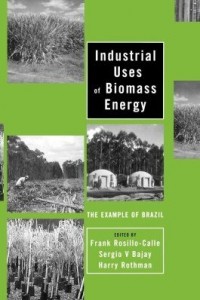
This book shows that energy-rich vegetation, biomass, is a key renewable energy resource for the future. Most major energy scenarios recognize bioenergy as an important component in the future world's energy outlook, both in developed and developing countries. Brazil, uniquely, has a recent history of large-scale biomass industrial use that makes it a specially important test-bed both for the development of biomass technology and its utilization, and for understanding how this is shaped by political and socio-economic forces. Perhaps their most famous development was PROALCOOL, the national program for producing fuel for the nation's automobiles from alcohol derived from sugar, as a substitute for gasoline. But other sectors of the Brazilian economy traditionally, and presently, use biomass as a major energy source. The book analyzes the causes for this and the alternatives. Finally, it is argued that Brazil's experience with the development of industrial biomass use provides wider lessons and insights in the context of the international movement for sustainable economic development.This book is an interdisciplinary, multi-author work, based upon a recently completed international study by Brazilian and British experts at the Interdisciplinary Centre for Energy Planning -- NIPE, State University of Campinas -- UNICAMP, and the Department of Life Sciences at Kings College, University of London
Industrial Uses of Biomass Energy
Sobre
Talvez você seja redirecionado para outro site