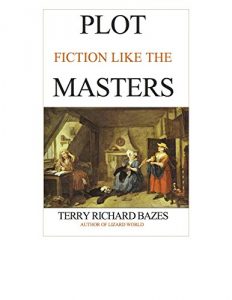
This book is an exercise in reading like a writer – reading with the purpose of figuring out how the plots of a few recognized masterpieces succeed in making readers turn the page. The reason for proposing this as a way of learning plot-making is my own experience as a writer -- that the most accomplished novelists are the greatest teachers and that their lessons may be drawn from a close study of their work. The three novels that are the subject of this study – Ian Fleming’s Dr. No, Jane Austen’s Pride and Prejudice and Evelyn Waugh’s A Handful of Dust – have all achieved astonishing success. They are all not only recognized masterpieces of their very different genres but have also won the glittering prizes – fame, fortune, movie deals -- for which many a haggard writer would sell his or her soul to the Devil.
A great plot is a page-turning machine. The reader is immediately grabbed by it and then pulled along by an ever-changing, propulsive dynamic of suspense, curiosity and surprise. All three of these very different novels -- a James Bond thriller, a prototypical “Regency Romance” and a scathing 20th-century black comedy – are driven forward by this kind of engine. One of the chief objectives of this book is – not only to examine the parts of this engine as it moves along, but also to discover the secret of the energy that propels it forward.
A great plot is a page-turning machine. The reader is immediately grabbed by it and then pulled along by an ever-changing, propulsive dynamic of suspense, curiosity and surprise. All three of these very different novels -- a James Bond thriller, a prototypical “Regency Romance” and a scathing 20th-century black comedy – are driven forward by this kind of engine. One of the chief objectives of this book is – not only to examine the parts of this engine as it moves along, but also to discover the secret of the energy that propels it forward.