“Collected Works of Henry James” contains:
•An aesthetic cover page.
•A beginning click-able Table of Contents for all titles.
•Inner click-able Tables of Contents for all individual books with multiple chapters.
•Nicely organized chapters and text.
Works of the author included in this collection:
•THE TURN OF THE SCREW
•DAISY MILLER: A STUDY
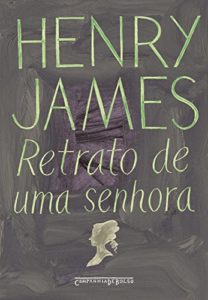
•THE PORTRAIT OF A LADY
•THE BEAST IN THE JUNGLE
•THE GOLDEN BOWL
•THE ASPERN PAPERS
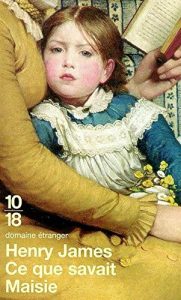
•WHAT MAISIE KNEW
•THE AMBASSADORS
•THE JOLLY CORNER
•THE REAL THING AND OTHER TALES
•THE AMERICAN
•THE FIGURE IN THE CARPET
•IN THE CAGE
•THE PUPIL
•THE EUROPEANS
•ITALIAN HOURS
•THE LESSON OF THE MASTER
•RODERICK HUDSON
•THE ALTAR OF THE DEAD
•THE SPOILS OF POYNTON
•THE MADONNA OF THE FUTURE
•THE SACRED FOUNT
•THE DIARY OF A MAN OF FIFTY
•A LONDON LIFE, AND OTHER TALES
•THE TRAGIC MUSE
Wikipedia on Henry James:
Henry James (15 April 1843 – 28 February 1916) was an American-English writer who spent most of his writing career in Britain. He is regarded as one of the key figures of 19th-century literary realism. He was the son of Henry James, Sr. and the brother of philosopher and psychologist William James and diarist Alice James.
James alternated between America and Europe for the first 20 years of his life; eventually he settled in England, becoming a British subject in 1915, one year before his death. He is best known for a number of novels showing Americans encountering Europe and Europeans. His method of writing from the point of view of a character within a tale allows him to explore issues related to consciousness and perception, and his style in later works has been compared to impressionist painting.
James contributed significantly to literary criticism, particularly in his insistence that writers be allowed the greatest possible freedom in presenting their view of the world. James claimed that a text must first and foremost be realistic and contain a representation of life that is recognisable to its readers. Good novels, to James, show life in action and are, most importantly, interesting. His imaginative use of point of view, interior monologue and unreliable narrators in his own novels and tales brought a new depth and interest to narrative fiction. An extraordinarily productive writer, in addition to his voluminous works of fiction he published articles and books of travel, biography, autobiography, and criticism, and wrote plays, some of which were performed during his lifetime, though with limited success when compared to the success of his novels. James was nominated for the Nobel Prize in Literature in 1911, 1912 and 1916.
•An aesthetic cover page.
•A beginning click-able Table of Contents for all titles.
•Inner click-able Tables of Contents for all individual books with multiple chapters.
•Nicely organized chapters and text.
Works of the author included in this collection:
•THE TURN OF THE SCREW
•DAISY MILLER: A STUDY
•THE PORTRAIT OF A LADY
•THE BEAST IN THE JUNGLE
•THE GOLDEN BOWL
•THE ASPERN PAPERS
•WHAT MAISIE KNEW
•THE AMBASSADORS
•THE JOLLY CORNER
•THE REAL THING AND OTHER TALES
•THE AMERICAN
•THE FIGURE IN THE CARPET
•IN THE CAGE
•THE PUPIL
•THE EUROPEANS
•ITALIAN HOURS
•THE LESSON OF THE MASTER
•RODERICK HUDSON
•THE ALTAR OF THE DEAD
•THE SPOILS OF POYNTON
•THE MADONNA OF THE FUTURE
•THE SACRED FOUNT
•THE DIARY OF A MAN OF FIFTY
•A LONDON LIFE, AND OTHER TALES
•THE TRAGIC MUSE
Wikipedia on Henry James:
Henry James (15 April 1843 – 28 February 1916) was an American-English writer who spent most of his writing career in Britain. He is regarded as one of the key figures of 19th-century literary realism. He was the son of Henry James, Sr. and the brother of philosopher and psychologist William James and diarist Alice James.
James alternated between America and Europe for the first 20 years of his life; eventually he settled in England, becoming a British subject in 1915, one year before his death. He is best known for a number of novels showing Americans encountering Europe and Europeans. His method of writing from the point of view of a character within a tale allows him to explore issues related to consciousness and perception, and his style in later works has been compared to impressionist painting.
James contributed significantly to literary criticism, particularly in his insistence that writers be allowed the greatest possible freedom in presenting their view of the world. James claimed that a text must first and foremost be realistic and contain a representation of life that is recognisable to its readers. Good novels, to James, show life in action and are, most importantly, interesting. His imaginative use of point of view, interior monologue and unreliable narrators in his own novels and tales brought a new depth and interest to narrative fiction. An extraordinarily productive writer, in addition to his voluminous works of fiction he published articles and books of travel, biography, autobiography, and criticism, and wrote plays, some of which were performed during his lifetime, though with limited success when compared to the success of his novels. James was nominated for the Nobel Prize in Literature in 1911, 1912 and 1916.