Originally Published in 1920
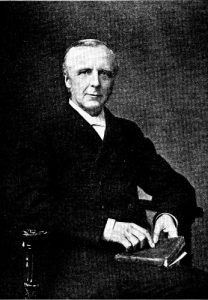
The Rev. Frederick Brotherton Meyer (April 8, 1847 – March 28, 1929), a contemporary and friend of D. L. Moody was a Baptist pastor and evangelist in England involved in ministry and inner city mission work on both sides of the Atlantic. Author of numerous religious books and articles, many of which remain in print today, he has been described as The Archbishop of the Free Churches.
THE PSALMS
THE Jewish Psalms have furnished the bridal hymns, the battle songs, the pilgrim marches, the penitential prayers, and the public praises of every nation in Christendom, since Christendom was born. They have rolled through the din of every great European battlefield; they have pealed through the scream of the storm in every ocean highway of the world. Drake's sailors sang them when they clave the virgin waters of the Pacific; Frobisher's, when they dashed against the barriers of Arctic ice and night. They floated over the waters on that day of days when England held her freedom against Pope and Spaniard, and won the naval supremacy of the world. They crossed the ocean with the Mayflower pilgrims; were sung round Cromwell's camp fires, and his Ironsides charged to their music; whilst they have filled the peaceful homes of England with the voice of supplication and the breath of praise. In palace halls, by happy hearths, in squalid rooms, in pauper wards, in prison cells, in crowded sanctuaries, in lonely wilderness-everywhere they have uttered our moan of contrition and our song of triumph; our tearful complaints, and our wrestling, conquering, prayer."
The Rev. Frederick Brotherton Meyer (April 8, 1847 – March 28, 1929), a contemporary and friend of D. L. Moody was a Baptist pastor and evangelist in England involved in ministry and inner city mission work on both sides of the Atlantic. Author of numerous religious books and articles, many of which remain in print today, he has been described as The Archbishop of the Free Churches.
THE PSALMS
THE Jewish Psalms have furnished the bridal hymns, the battle songs, the pilgrim marches, the penitential prayers, and the public praises of every nation in Christendom, since Christendom was born. They have rolled through the din of every great European battlefield; they have pealed through the scream of the storm in every ocean highway of the world. Drake's sailors sang them when they clave the virgin waters of the Pacific; Frobisher's, when they dashed against the barriers of Arctic ice and night. They floated over the waters on that day of days when England held her freedom against Pope and Spaniard, and won the naval supremacy of the world. They crossed the ocean with the Mayflower pilgrims; were sung round Cromwell's camp fires, and his Ironsides charged to their music; whilst they have filled the peaceful homes of England with the voice of supplication and the breath of praise. In palace halls, by happy hearths, in squalid rooms, in pauper wards, in prison cells, in crowded sanctuaries, in lonely wilderness-everywhere they have uttered our moan of contrition and our song of triumph; our tearful complaints, and our wrestling, conquering, prayer."